


Rethinking Safety, Energy Efficiency and Transparency
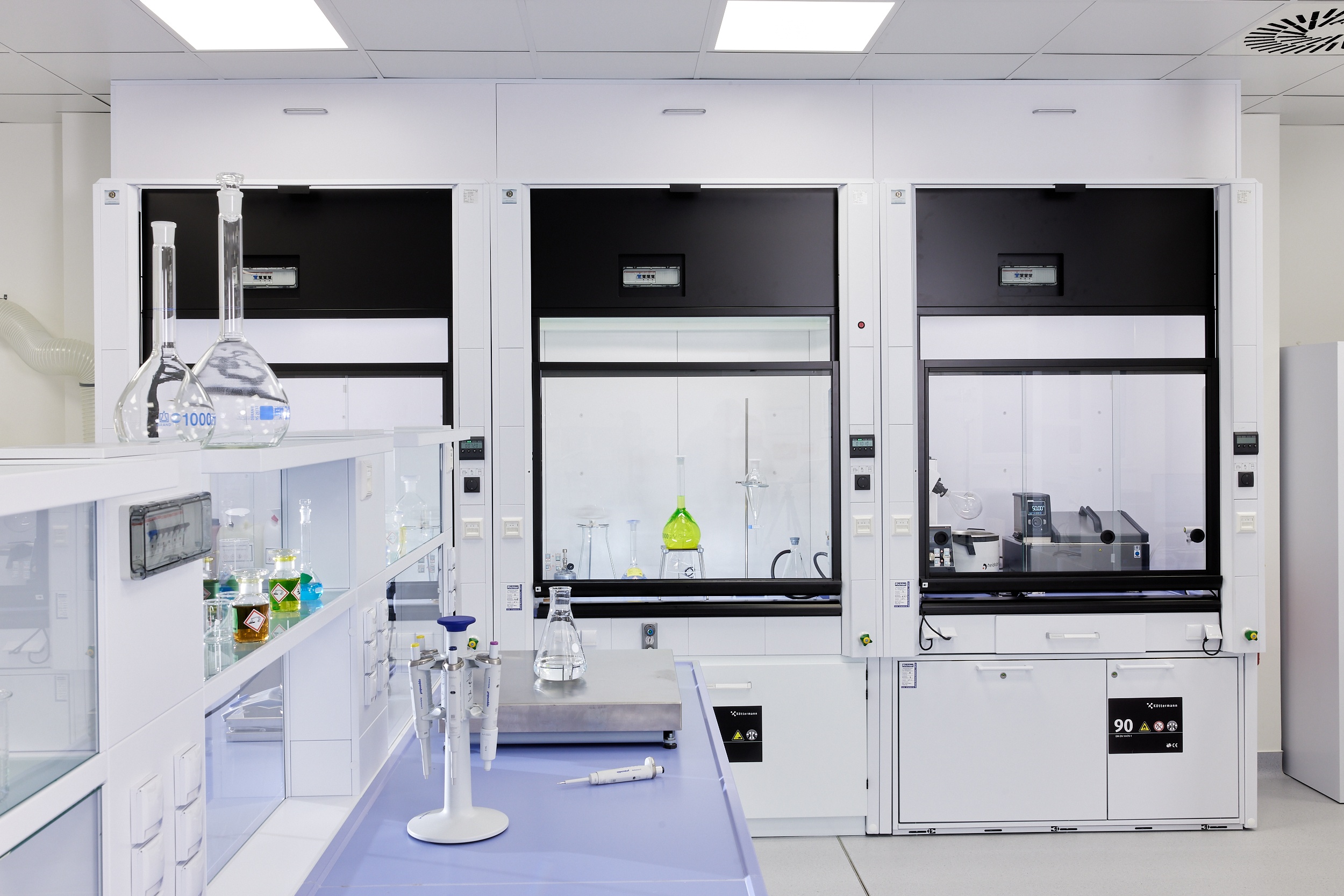
Fume cupboard technology in the spotlight at analytica
Fume cupboards are essential for safe laboratory work—yet they are also among the biggest energy consumers in a lab. Rising energy prices and ambitious sustainability targets intensify the tension between maximum protection and responsible resource use. What’s needed are solutions that do not compromise occupational safety, but ideally enhance it, while making energy efficiency measurable and transparent.
This is exactly where modern fume-cupboard technologies come into play.
Why fume cupboards must be reassessed
For decades, fume cupboards were operated according to a clear principle: maximum safety through high and constant extract-air volumes. Increasingly, this approach reaches its limits—because what used to be a robust safety buffer has become a major cost and sustainability factor in daily operation. In many laboratories, ventilation and exhaust air account for around 40–60% of total energy consumption.
That’s why “safety only” is no longer enough as a benchmark. Today, fume cupboards must meet additional requirements: they should be safe, energy-efficient, and operationally controllable. This shifts their role within the overall laboratory system into sharper focus.
Reassessment is not a technological gimmick—it’s a strategic necessity. Anyone who continues to view fume cupboards in isolation leaves significant potential untapped in operating costs and CO₂ reduction. What’s needed are solutions that keep safety fully standards-compliant while actively contributing to the optimisation of lab operation.
The key question is no longer whether energy can be saved, but how safety and efficiency can be combined sustainably—without complicating everyday lab work.
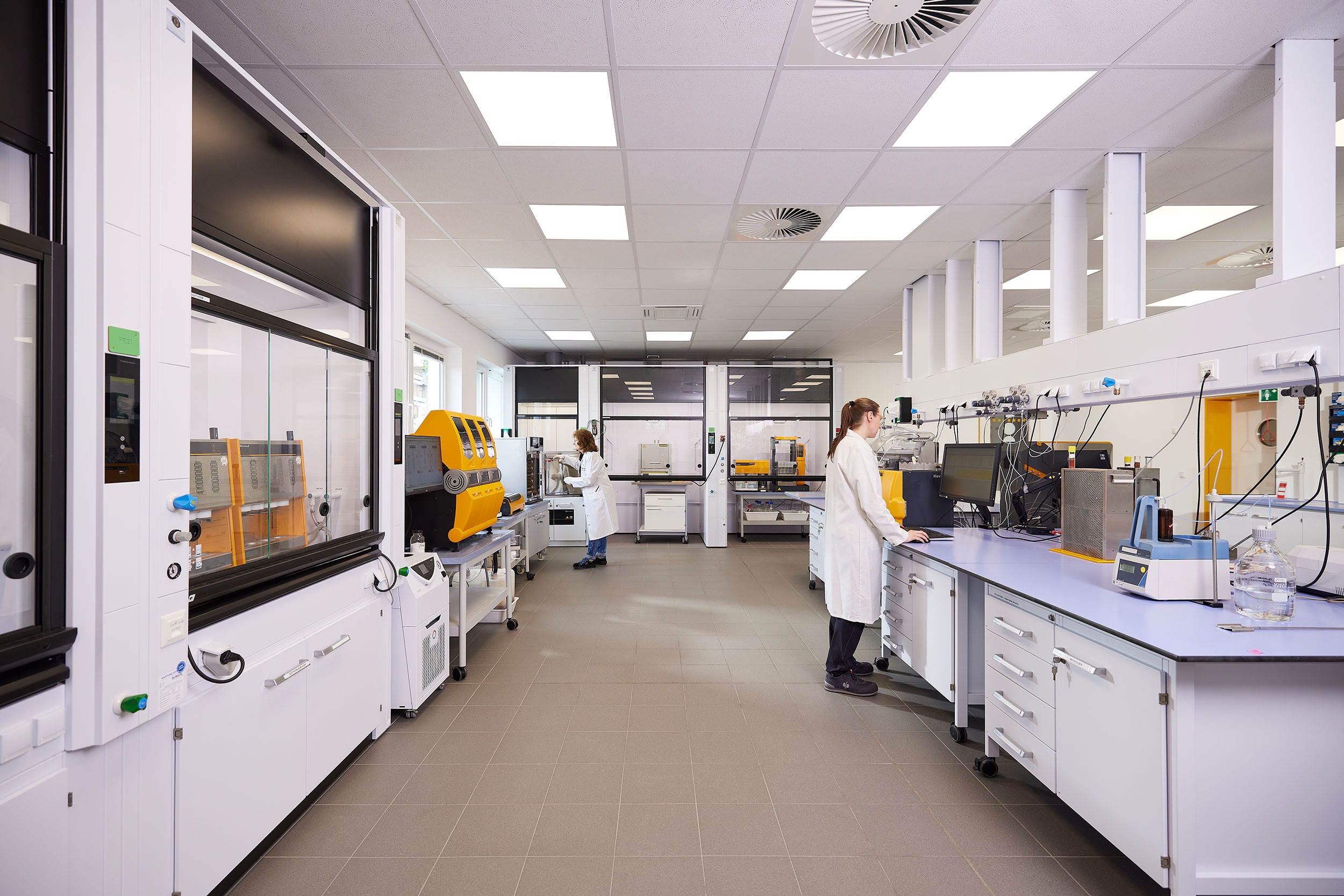
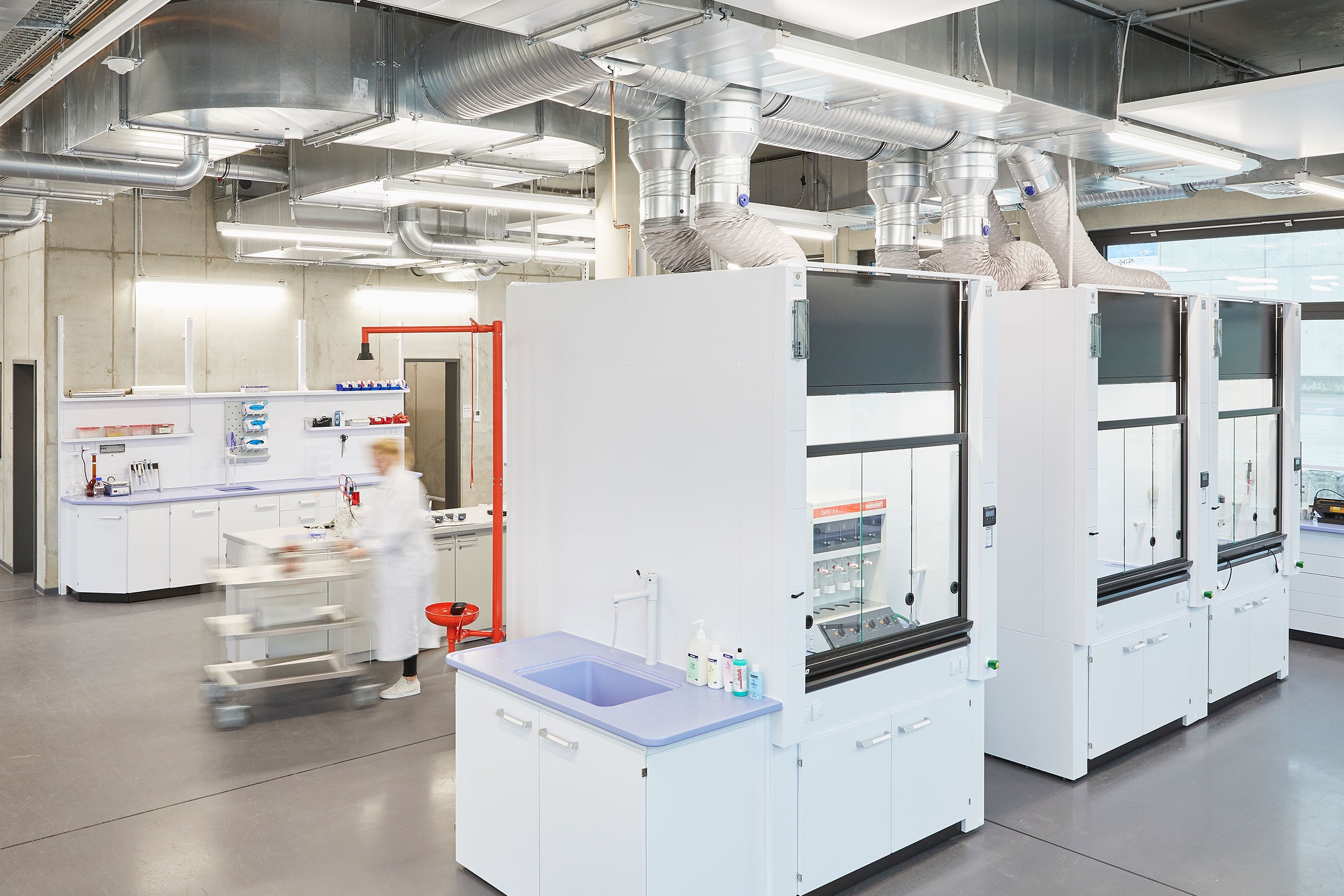
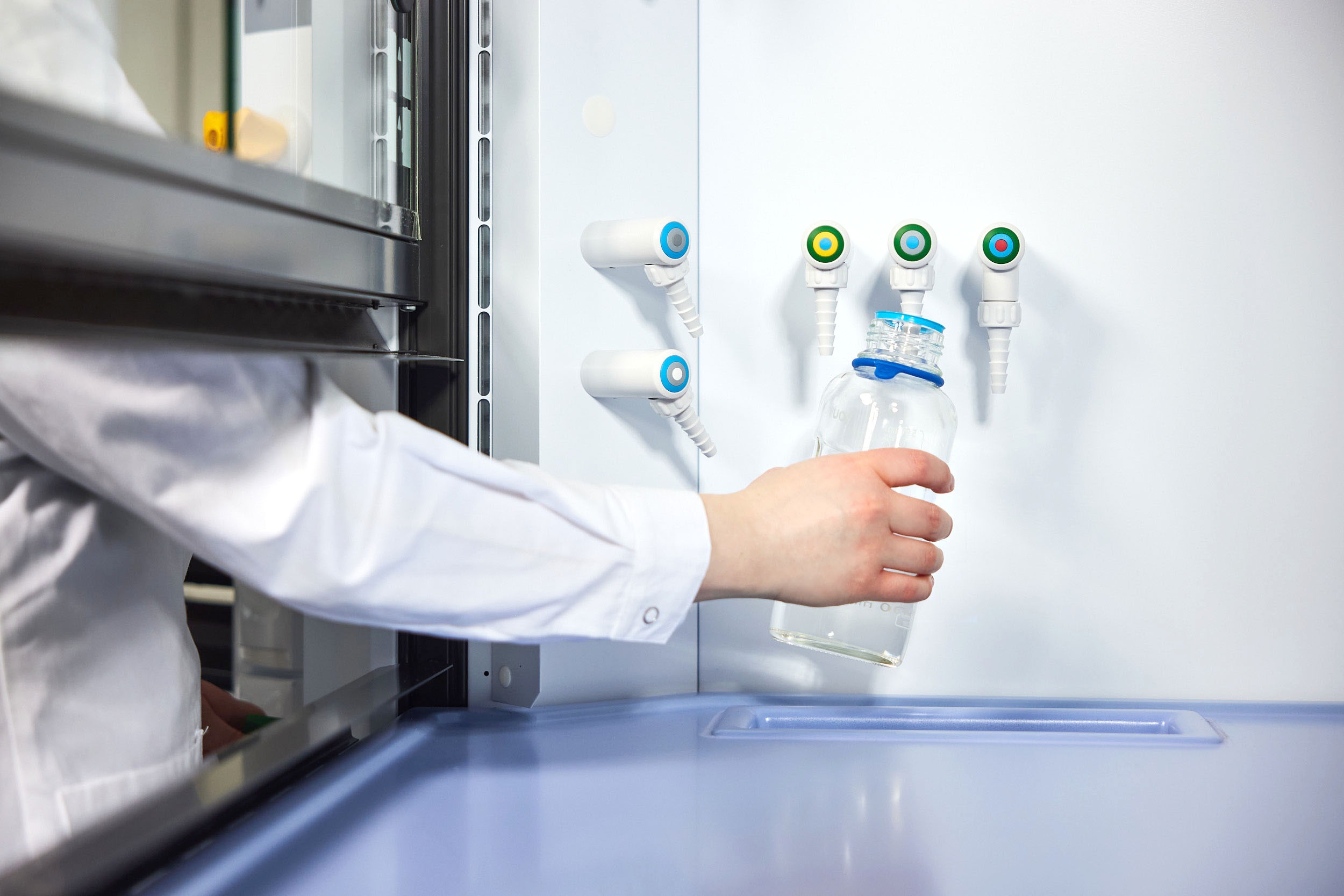
Efficiency in the lab comes from interaction—not from sacrifice
Modern fume-cupboard concepts follow a holistic approach. Instead of providing high air volumes across the board, extract air is controlled according to demand. Three factors are decisive:
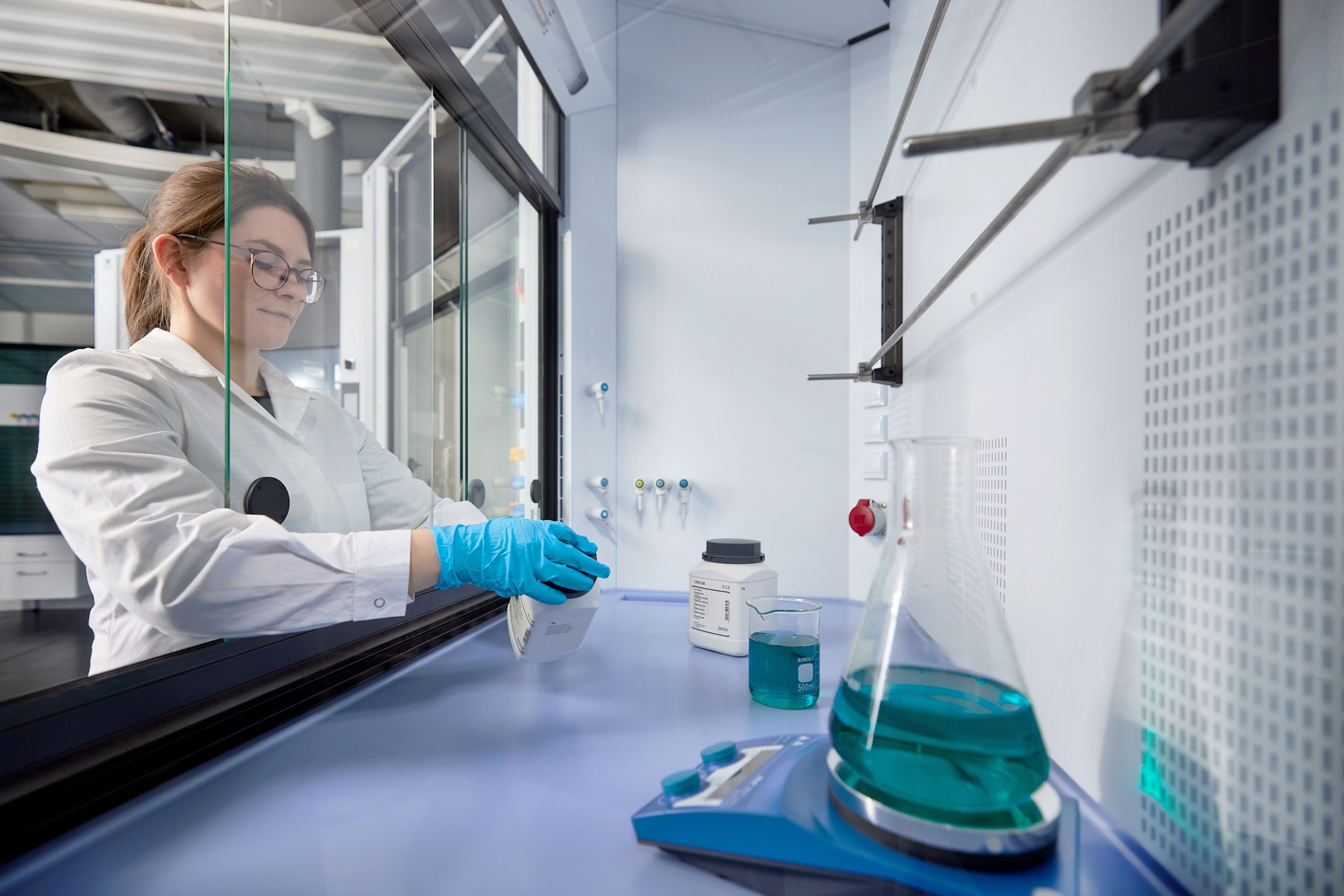
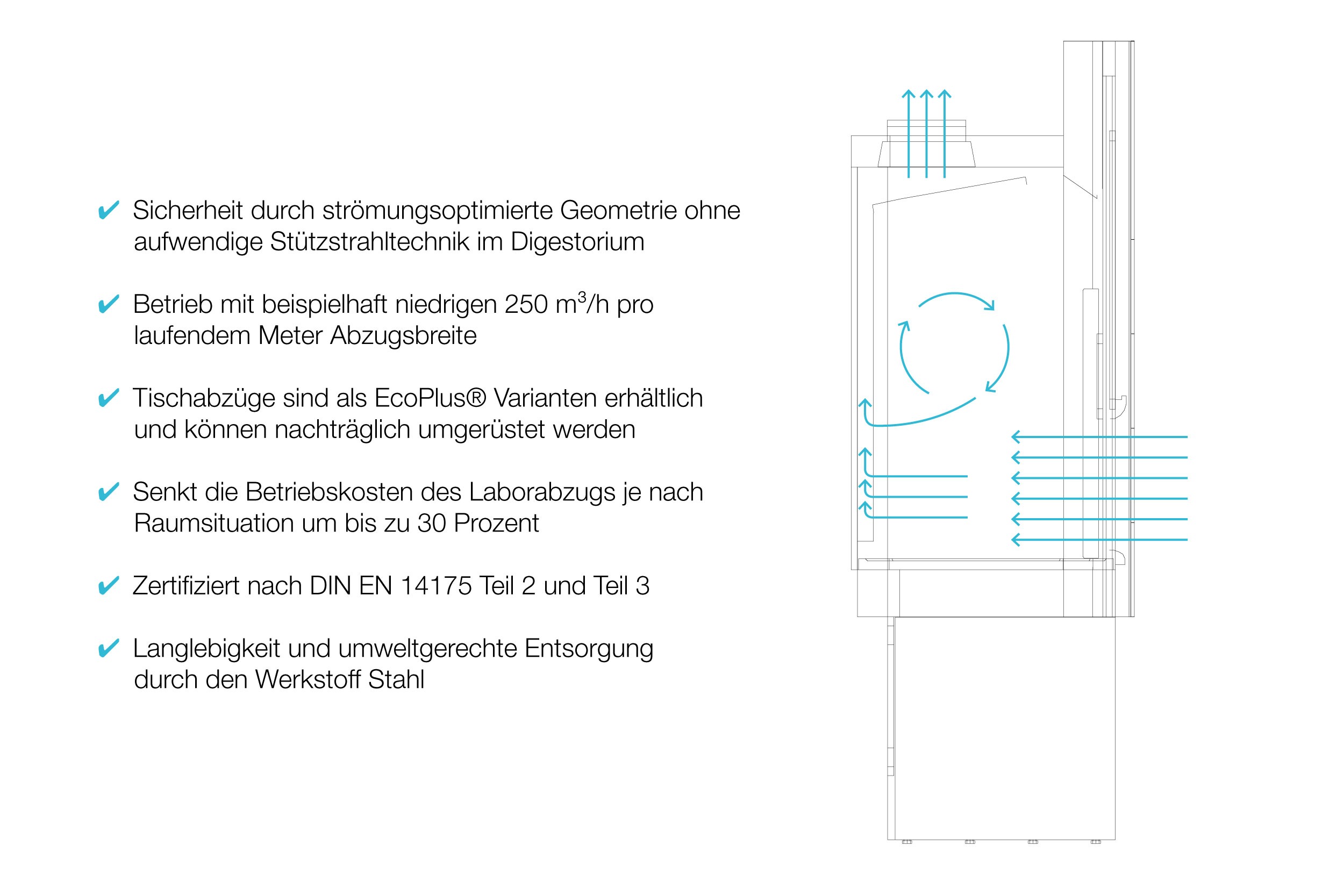
- Aerodynamically optimised fume-cupboard designs that maintain containment even at reduced air volumes
- Intelligent extract-air control systems that adjust volume flow dynamically to the sash position
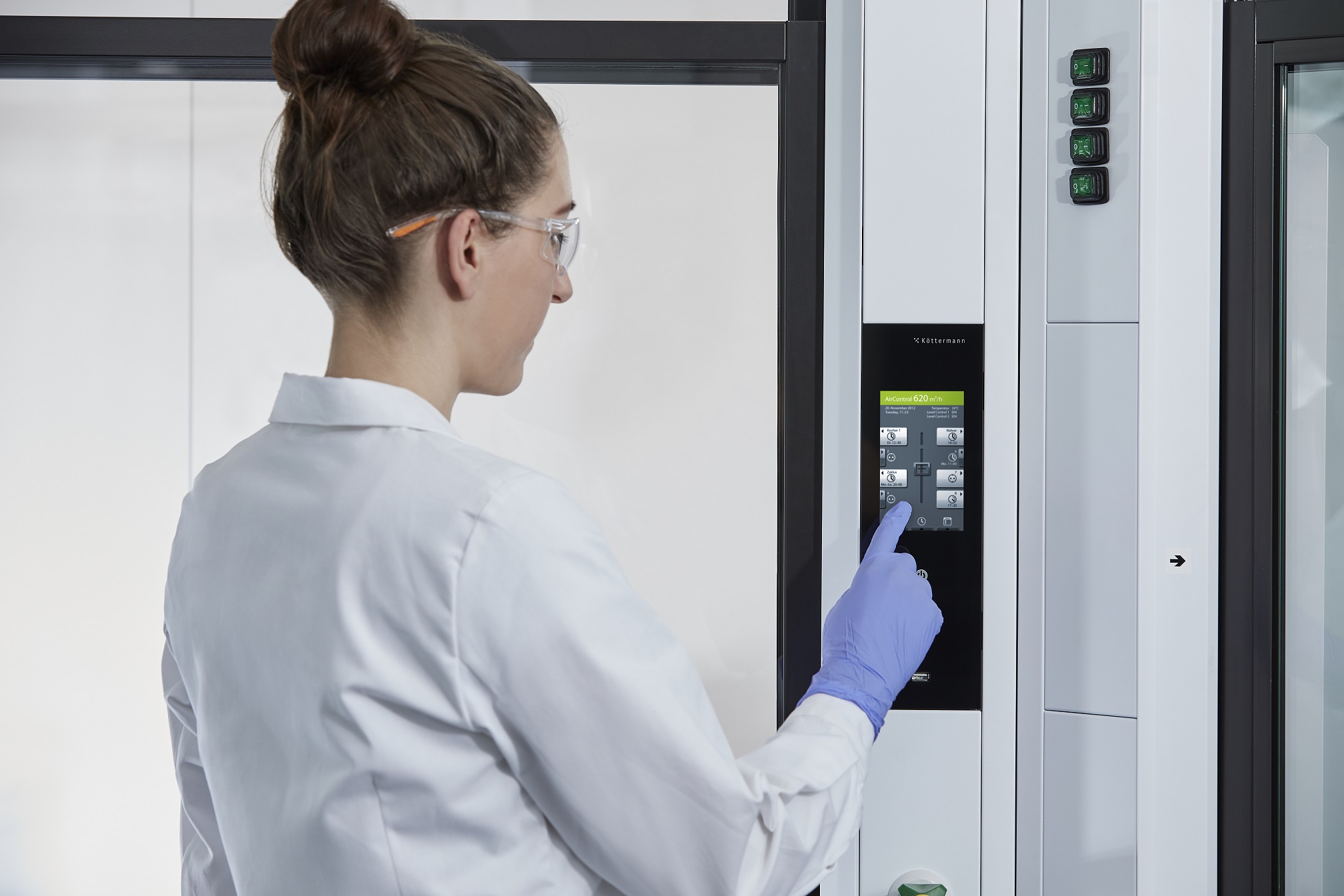
- Digital control and monitoring solutions that make consumption transparent and enable adjustments digitally
This means safety is achieved not by “more air”, but through precise engineering and smart control.
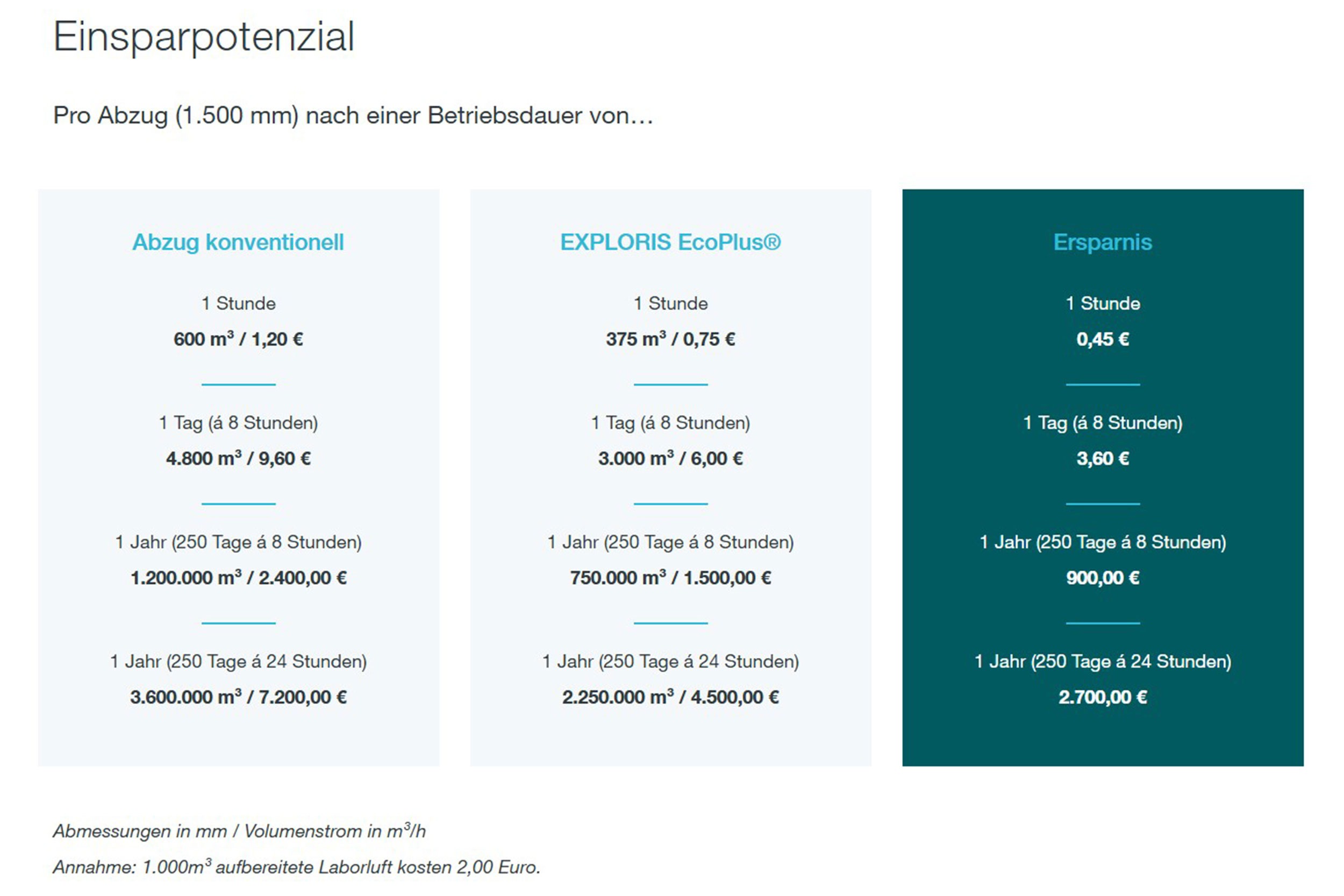
Trade fair focus: fume-cupboard technology that delivers measurable energy savings
At the international trade fair analytica in Munich (24–27 March 2026), Köttermann and Siemens will jointly demonstrate how fume cupboards can be understood as part of a connected system. The focus is on practical solutions that deliver impact in ongoing lab operations.
Safety remains non-negotiable
Compliance with all relevant standards and protection goals remains the foundation—enhanced by intelligent airflow design that ensures safety even with reduced air demand.
Energy efficiency becomes predictable
Variable volume flow systems, automatic sash functions and demand-based control strategies reduce energy consumption noticeably—without additional effort for lab staff.
Transparency creates new room for action
Integrated measurement and monitoring make energy use visible. This enables well-founded decisions for sustainable lab strategies—from operational optimisation to long-term planning.
From a single component to an overall concept
The value of modern fume-cupboard technology doesn’t arise in isolation, but through interaction with building services, control systems and the usage concept. This is where the joint approach of Köttermann and Siemens comes in: fume-cupboard technology is designed as an integral building block of a future-proof laboratory.

Invitation to connect
analytica provides space for professional exchange—about technical solutions, concrete savings potential, and how labs can be planned and operated to meet the requirements of safety, cost-effectiveness and sustainability at the same time.
