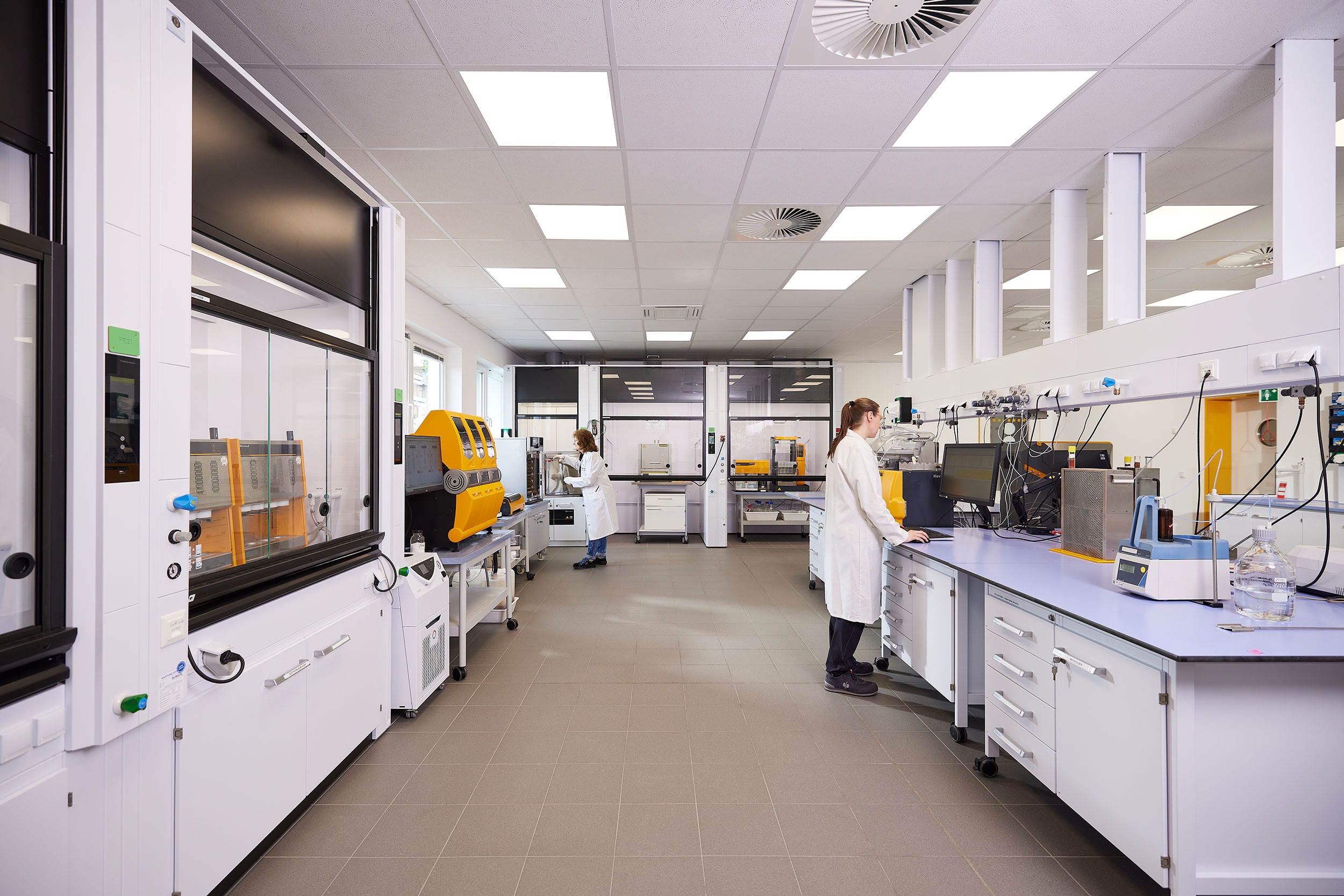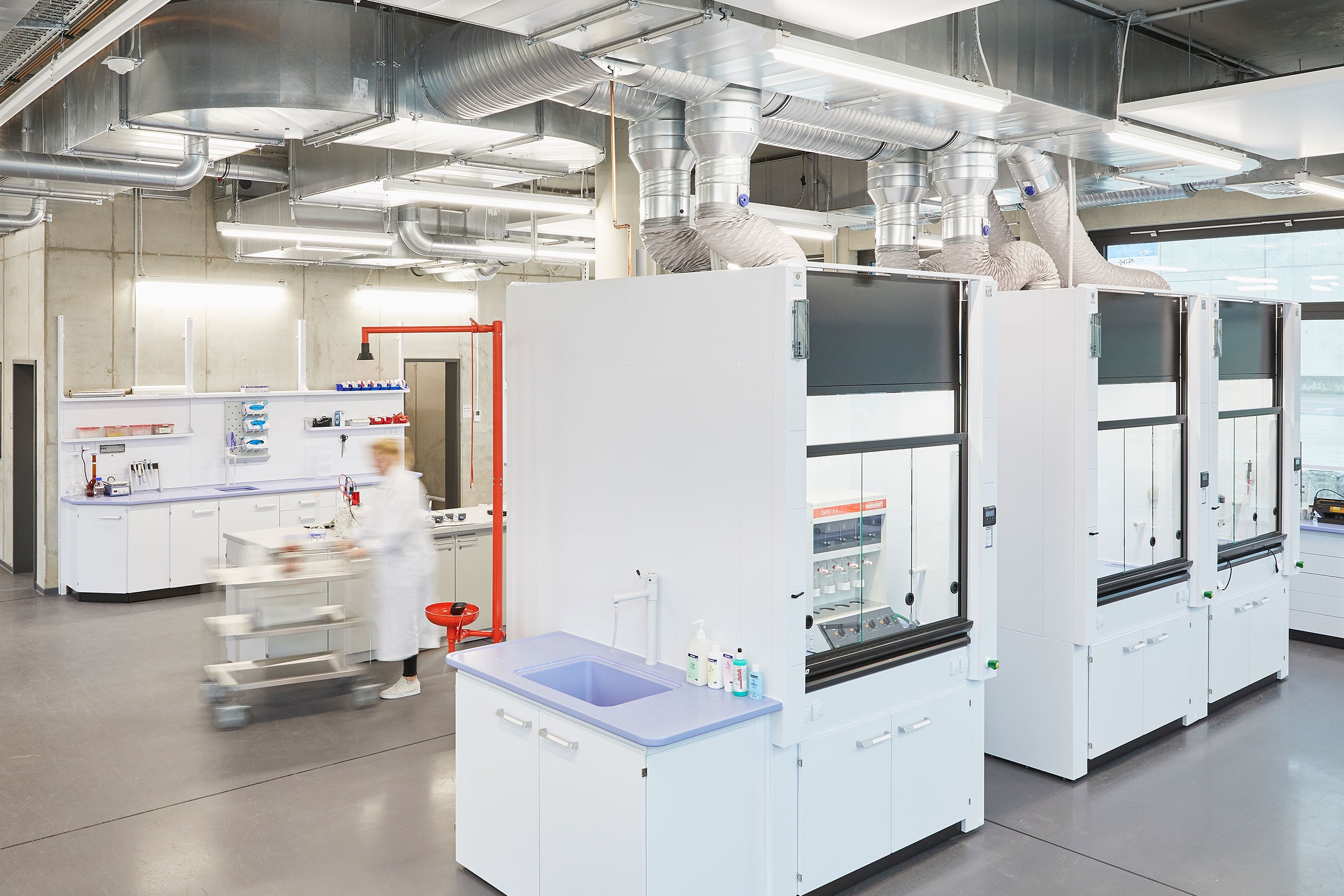
Daily laboratory work often follows a familiar routine: switching on equipment, preparing samples, working inside the fume cupboard — and rarely stopping to consider the complex technology operating in the background. Yet the laboratory fume cupboard is one of the most important safety systems in the lab. It influences protection, energy efficiency and sustainability and is still frequently underestimated.
This article highlights five aspects that even experienced professionals may not always be aware of.

1
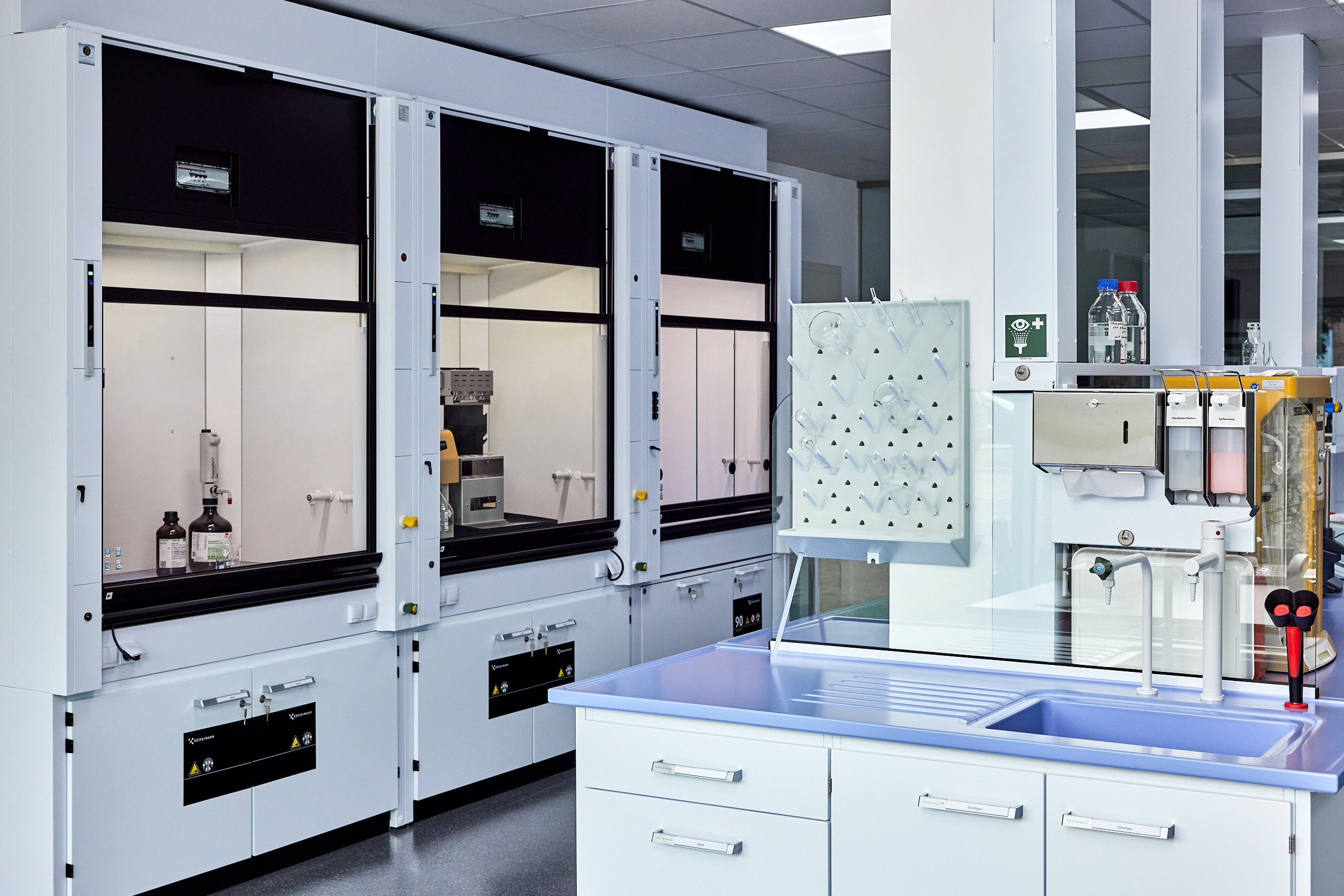
Fume cupboards are major energy consumers and intelligent design can significantly reduce costs

Up to 60% of a laboratory’s total energy consumption can be linked to ventilation systems, with fume cupboards playing a central role. They continuously extract conditioned air, making ventilation both costly and CO₂-intensive. Alongside safety, reducing air consumption has therefore become one of the key priorities in modern fume cupboard development.
2
More airflow does not automatically mean more safety

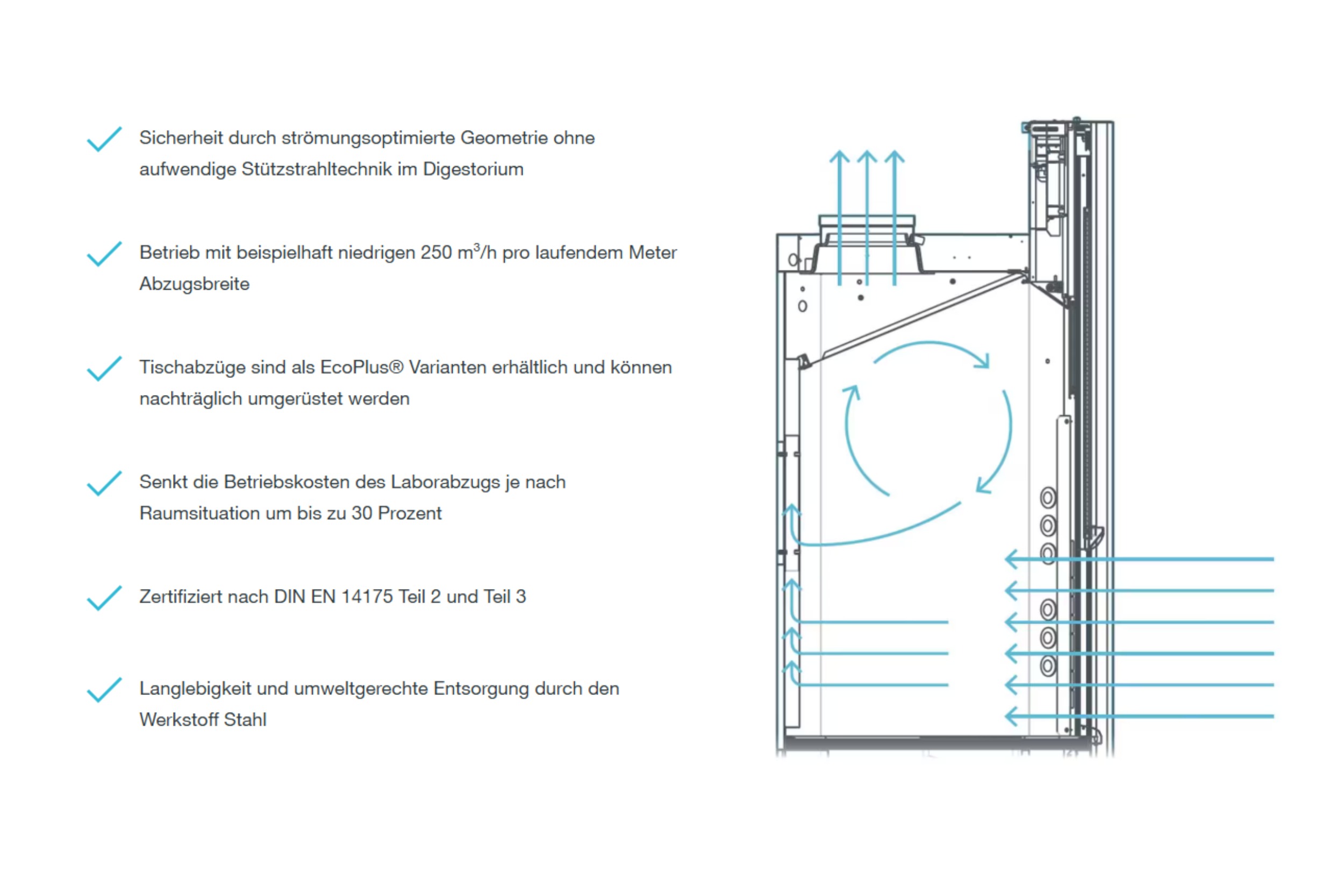
A common assumption is that the higher the exhaust airflow, the safer the fume cupboard. In reality, this is only partly true.
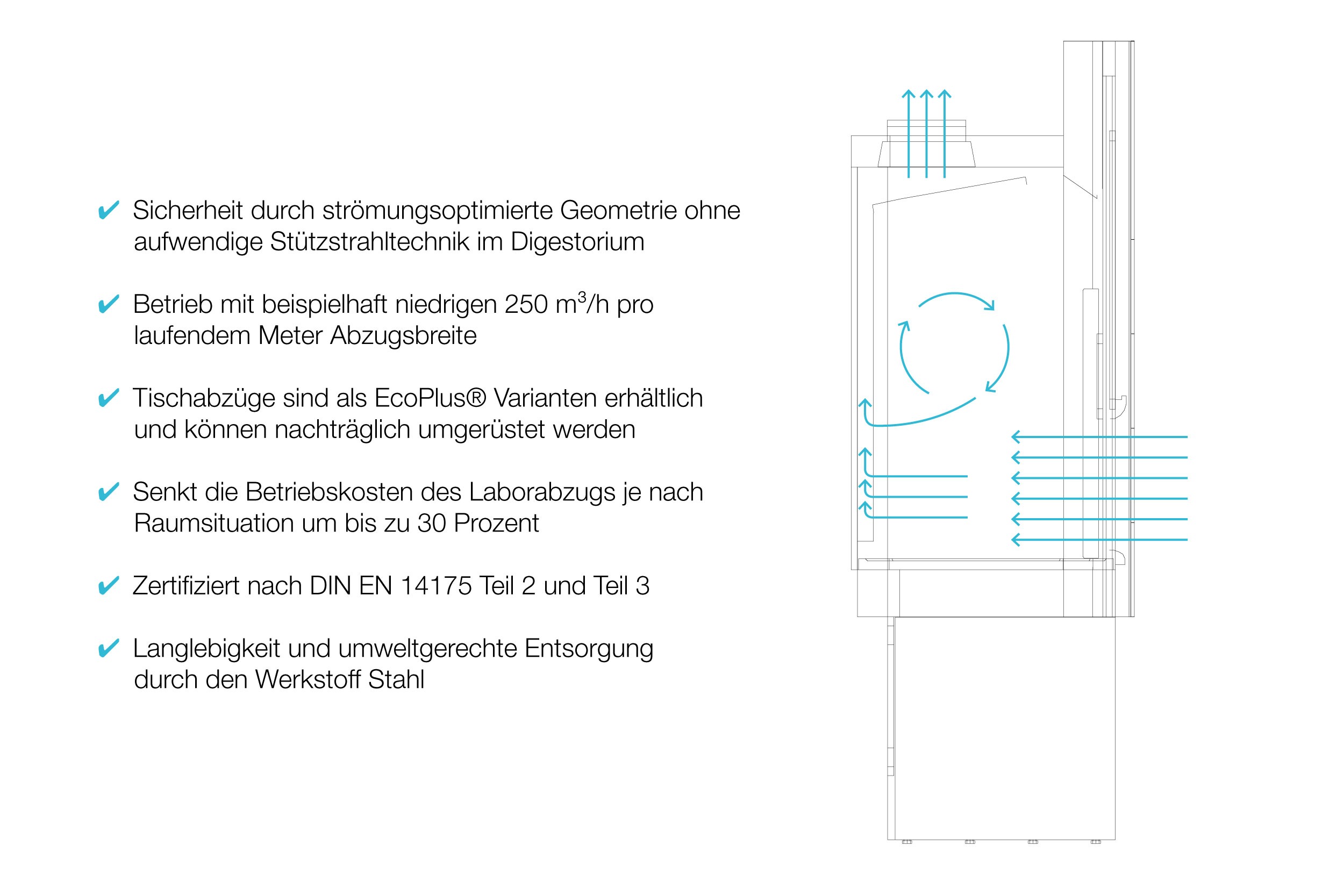
While increased airflow may initially improve containment performance, modern fume cupboards achieve safety not through excessive air volumes, but through sophisticated geometry and carefully engineered airflow patterns. The result is maximum safety with minimal resource consumption.
3
Small operating mistakes can have major consequences

Fume cupboards are part of complex laboratory workflows. Their protective performance depends not only on construction, but also on correct usage.
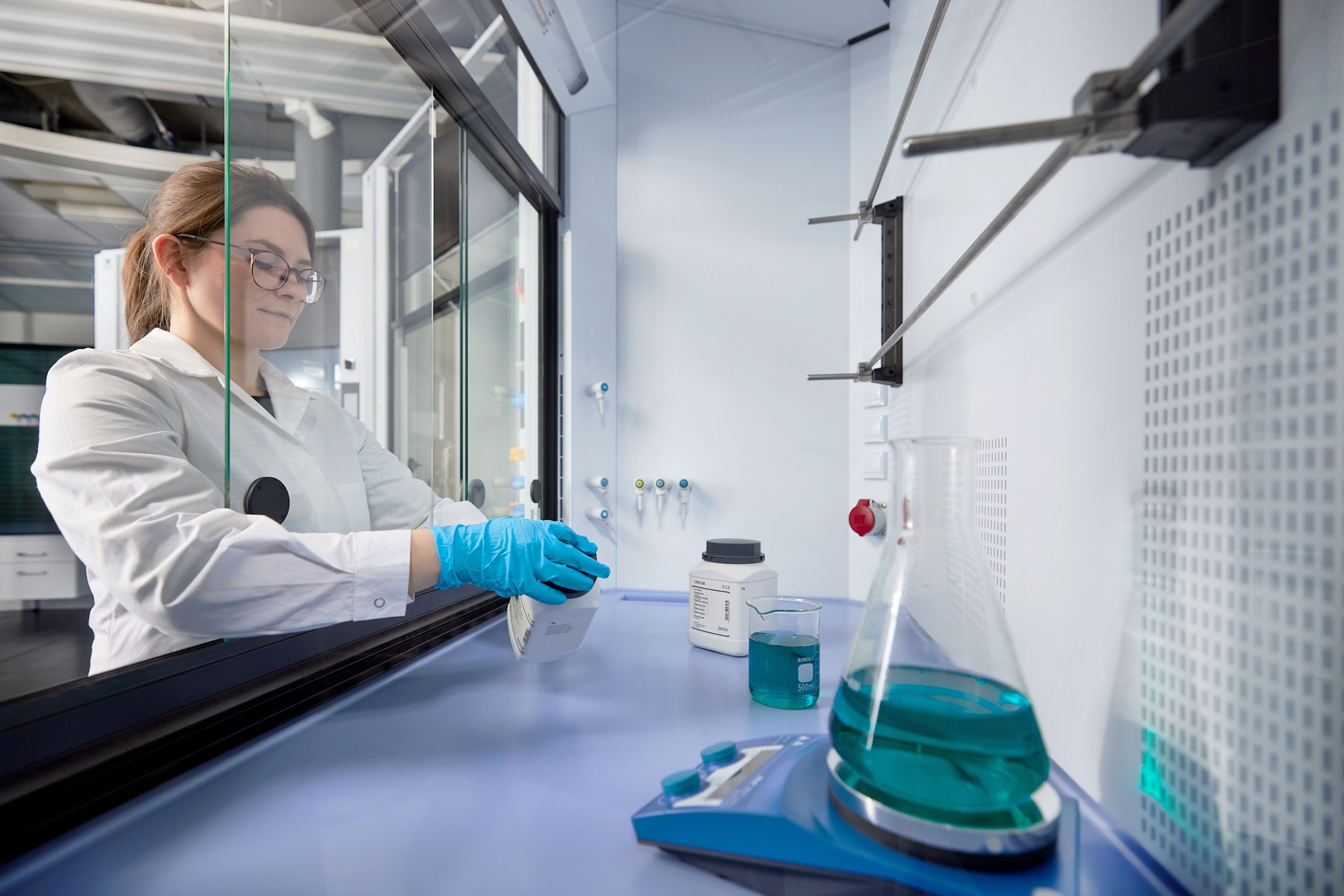
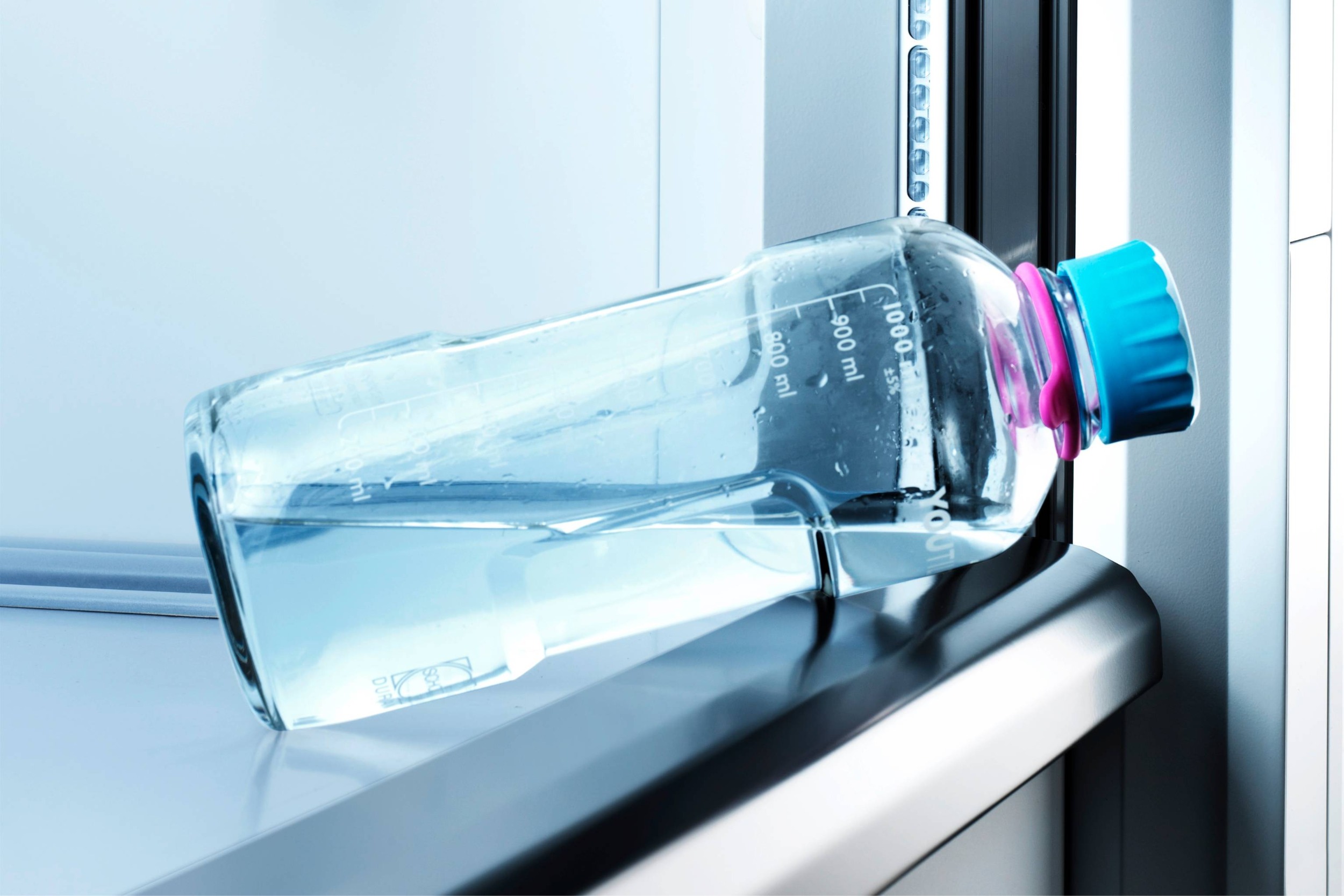
Open sashes, incorrectly positioned equipment or even people walking past can significantly disturb airflow and reduce containment efficiency. Modern systems such as Köttermann AutoProtect automatically close the sash once work is completed. This reduces user-related errors, improves safety and saves additional energy.
If an object protrudes from the working area, Köttermann CloseGuard uses a light curtain system to automatically stop the sash movement.
4
Protection goes far beyond gases alone

Fume cupboards are often associated primarily with protection against gases and vapours. In reality, their protective function is much broader as defined by the European standard EN 14175:

  • preventing hazardous concentrations of gases, vapours or dust within the laboratory
  • preventing explosive atmospheres inside the fume cupboard
  • protecting against physical hazards such as chemical splashes or flying fragments¹

Fume cupboards protect not only against invisible hazards such as gases and dust, but also against sudden physical risks. They therefore provide far more than “chemical protection” — serving instead as comprehensive safety barriers within the laboratory environment.
5
High-tech solutions improve ergonomics and safety

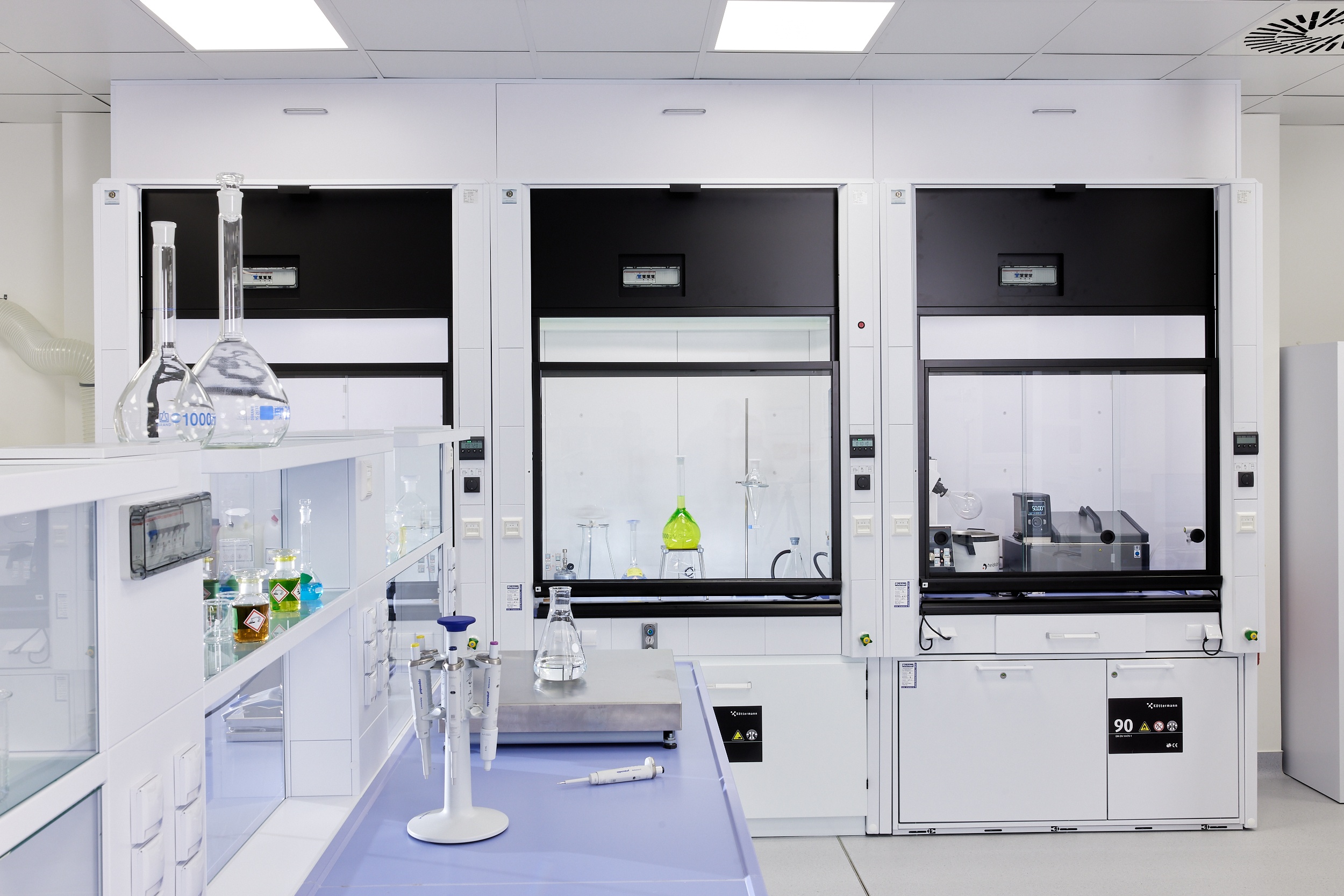
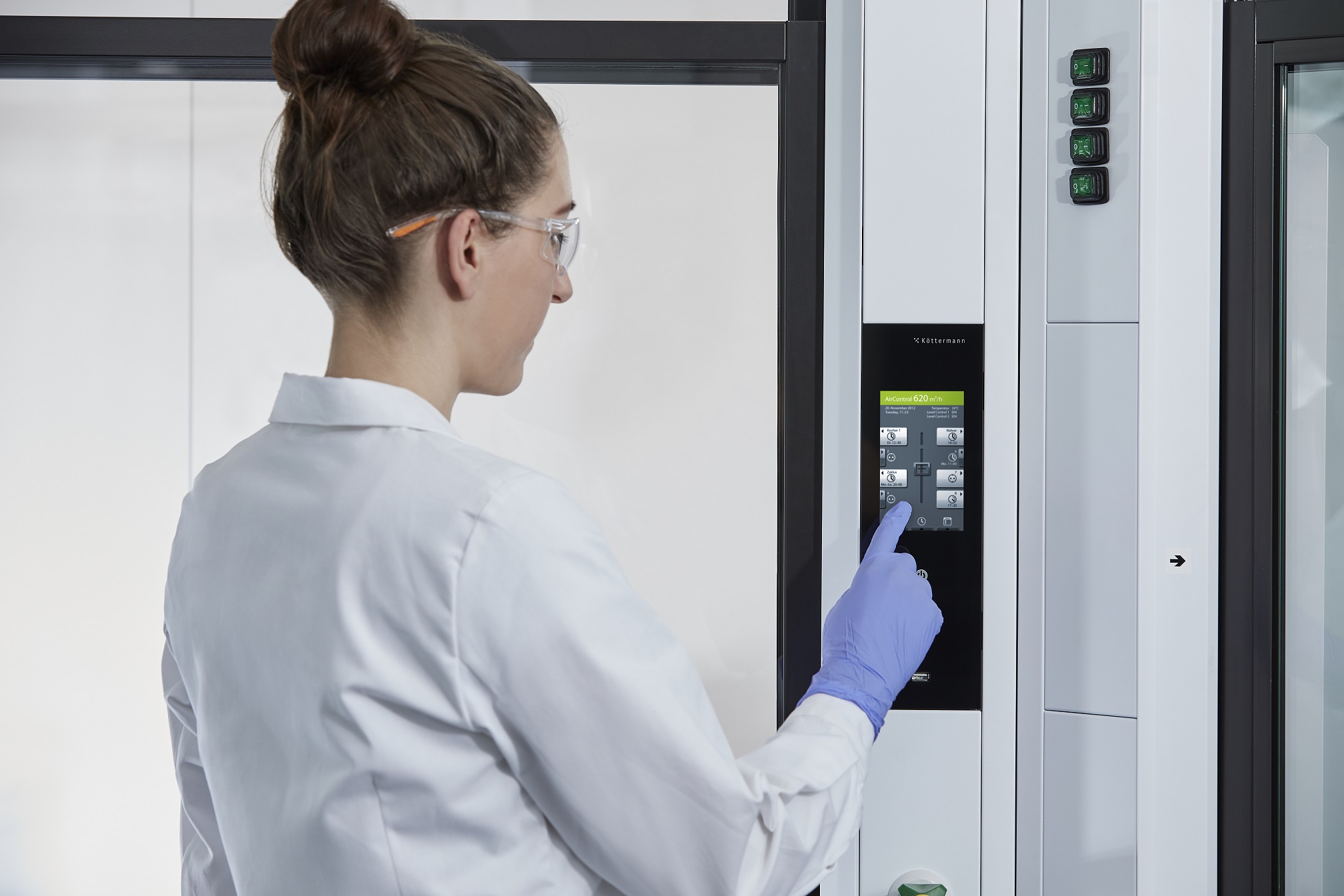
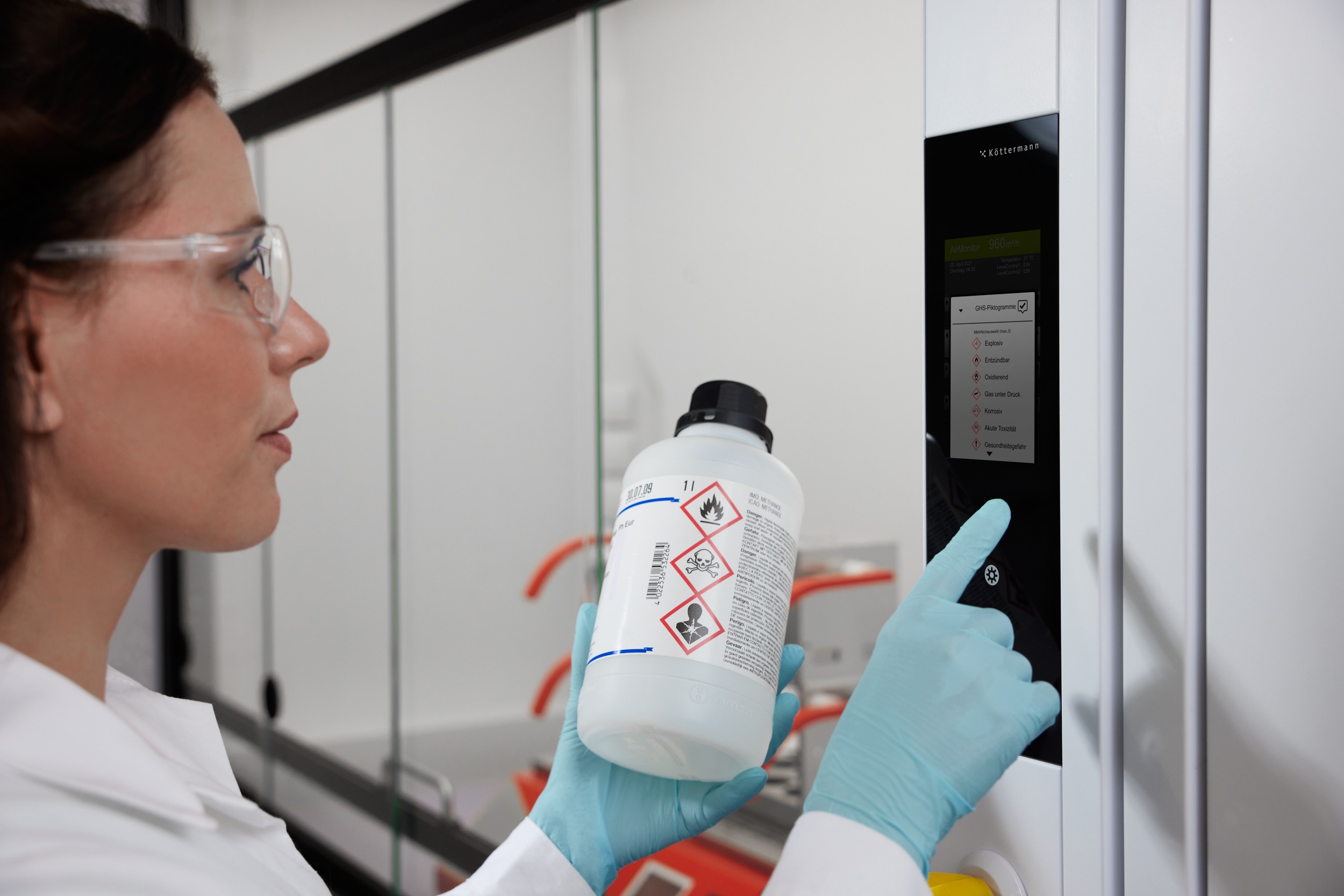
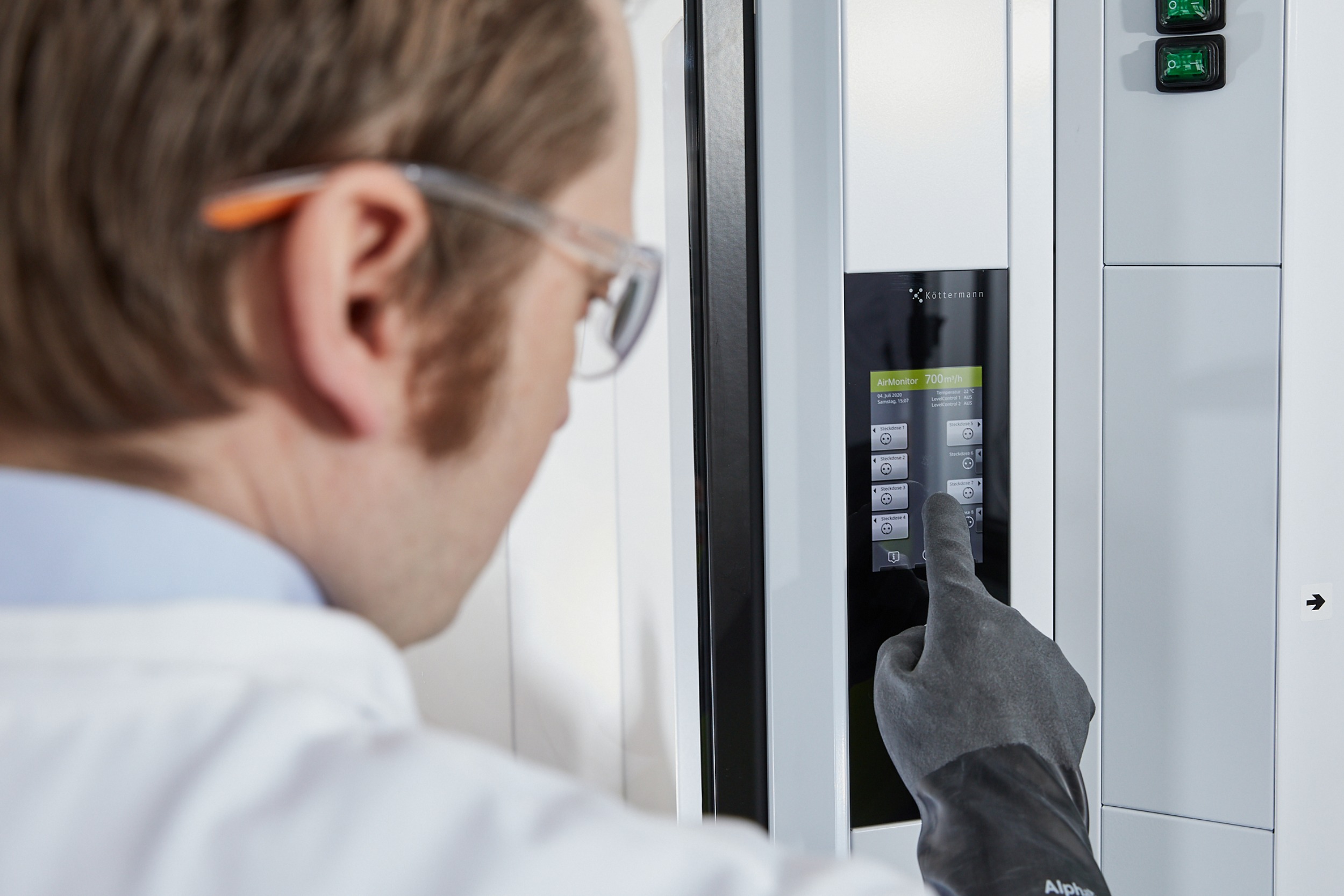
Modern fume cupboards have evolved into intelligent laboratory assistants. The Köttermann TouchTronic electronic control unit enables precise operation of all functions — even while wearing gloves.

It also allows hazardous substances used inside the cupboard to be displayed and socket timers to be programmed. In addition, circuit breakers with integrated measurement functions monitor power consumption and help identify energy-saving potential.
Conclusion

Modern fume cupboards are far more than simple exhaust systems. They play a key role in laboratory safety, energy efficiency, sustainability and ergonomics.

Innovative solutions such as the Köttermann EXPLORIS series demonstrate how protection, efficiency and user comfort can be intelligently combined. Anyone aiming to create a safe and sustainable laboratory environment can no longer overlook modern fume cupboard technology.

¹ Deutsche Gesetzliche Unfallversicherung (DGUV): Sicheres Arbeiten in Laboratorien – Grundlagen und Handlungshilfen. 1. Auflage 12/2008. S. 133

How Variable Air Volume Control Works

Abluftregelsysteme sind hier ein bedeutendes Element, denn diese reduzieren bei geschlossenem Frontschieber den Abluftstrom, ohne die Sicherheit des Abzugs zu gefährden. Der Abluftvolumenstrom wird in Abhängigkeit von der Frontschieberöffnung über eine motorisch angetriebene Stellklappe geregelt. Für jeden Betriebszustand des Abzugs wird dem Laborraum gerade so viel Luft entnommen, wie für den sicheren Betrieb des Abzugs notwendig. Bei geschlossenem Frontschieber lässt sich so der Volumenstrom eines Abzugs um etwa 50 Prozent gegenüber dem geöffneten Zustand reduzieren. Für einfaches Bedienen im Arbeitsalltag: Bei Köttermann Laborabzügen wird die Frontschieberöffnung über die elektronische Bedieneinheit TouchTronic mühelos über den Regler am Display eingestellt – präzise per Schieben oder punktuell per Tippen.

Produktdesign – mehr als Optik
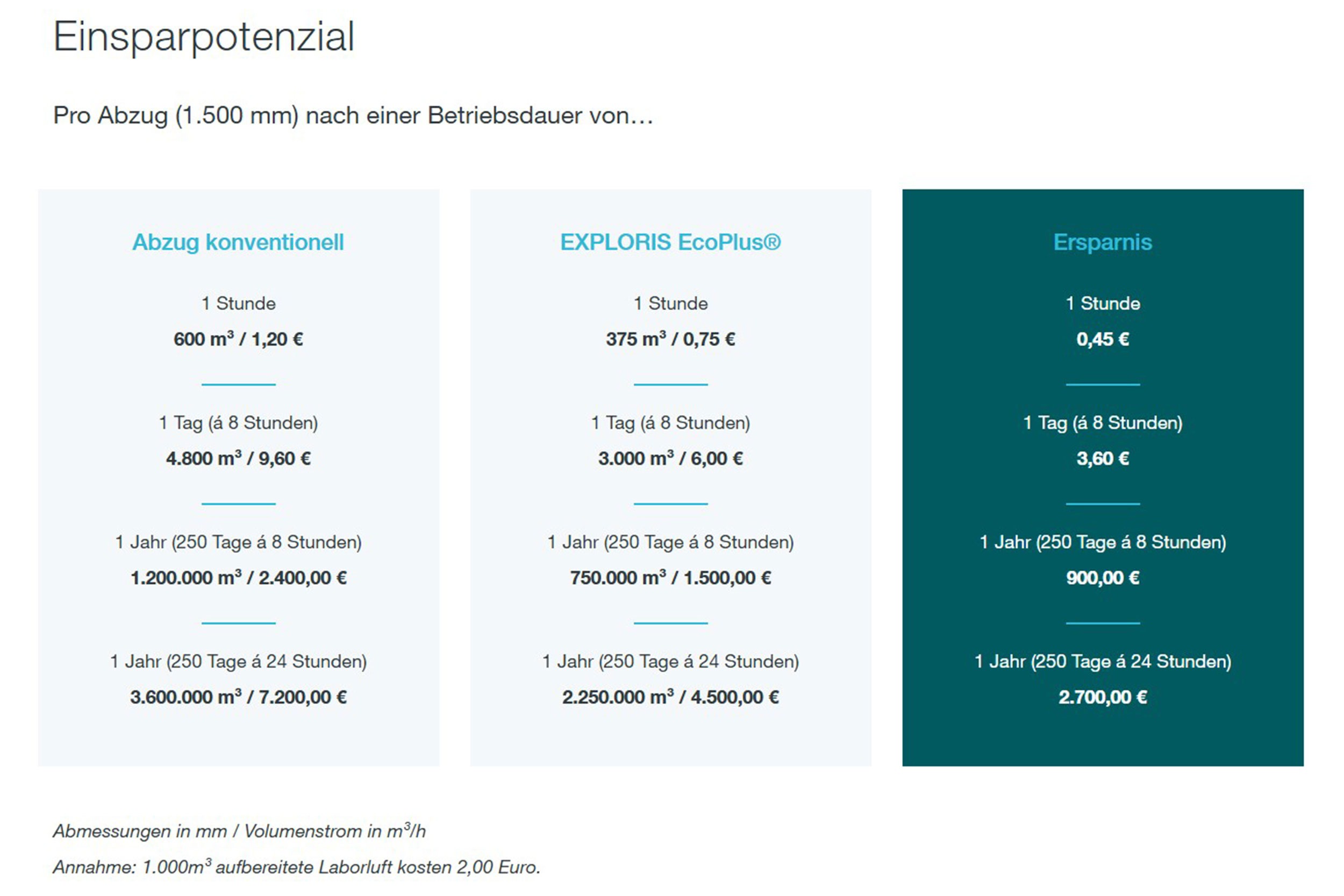
Entscheidend ist allerdings auch die Strömungstechnik von Laborabzügen. Ein durchdachtes Produktdesign senkt die Betriebskosten unter Einhaltung der Sicherheitsanforderungen. Beispielsweise benötigt der Köttermann Laborabzug EcoPlus dank innovativer Luftführung bis zu 30 % weniger Abluftvolumenstrom als Standardabzüge – bei gleichbleibend hoher Sicherheit. So spart dieser bei einer Arbeitszeit von acht Stunden am Tag jährlich bis zu 900 Euro Betriebskosten pro Abzug und trägt gleichzeitig aktiv zur Nachhaltigkeit bei. Bei einem 24 Stunden Betrieb werden sogar Kosten in Höhe von etwa 2.700 Euro im Jahr vermieden. Will man das Labor nachhaltig ausstatten, ist der EcoPlus die richtige Wahl.
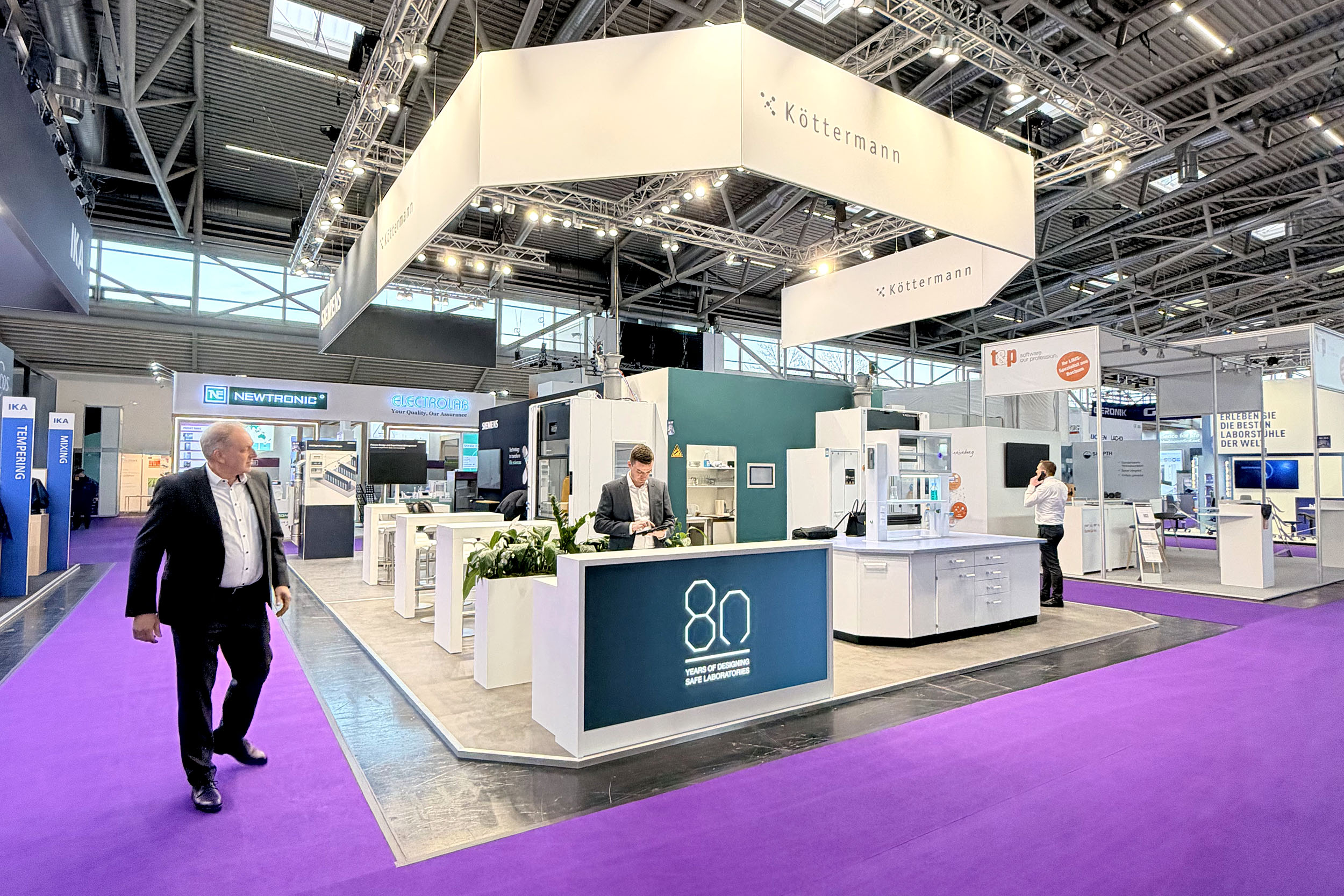
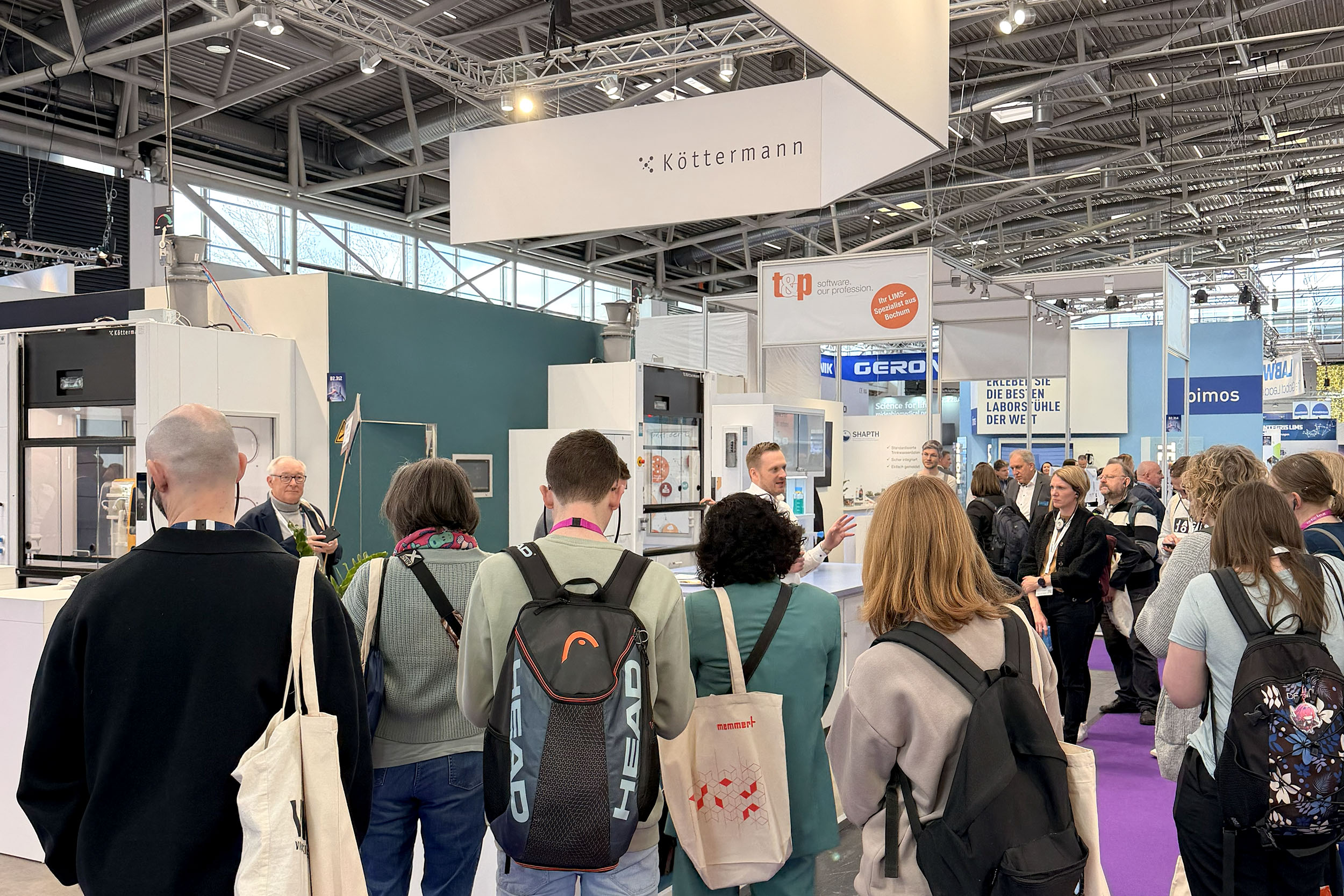
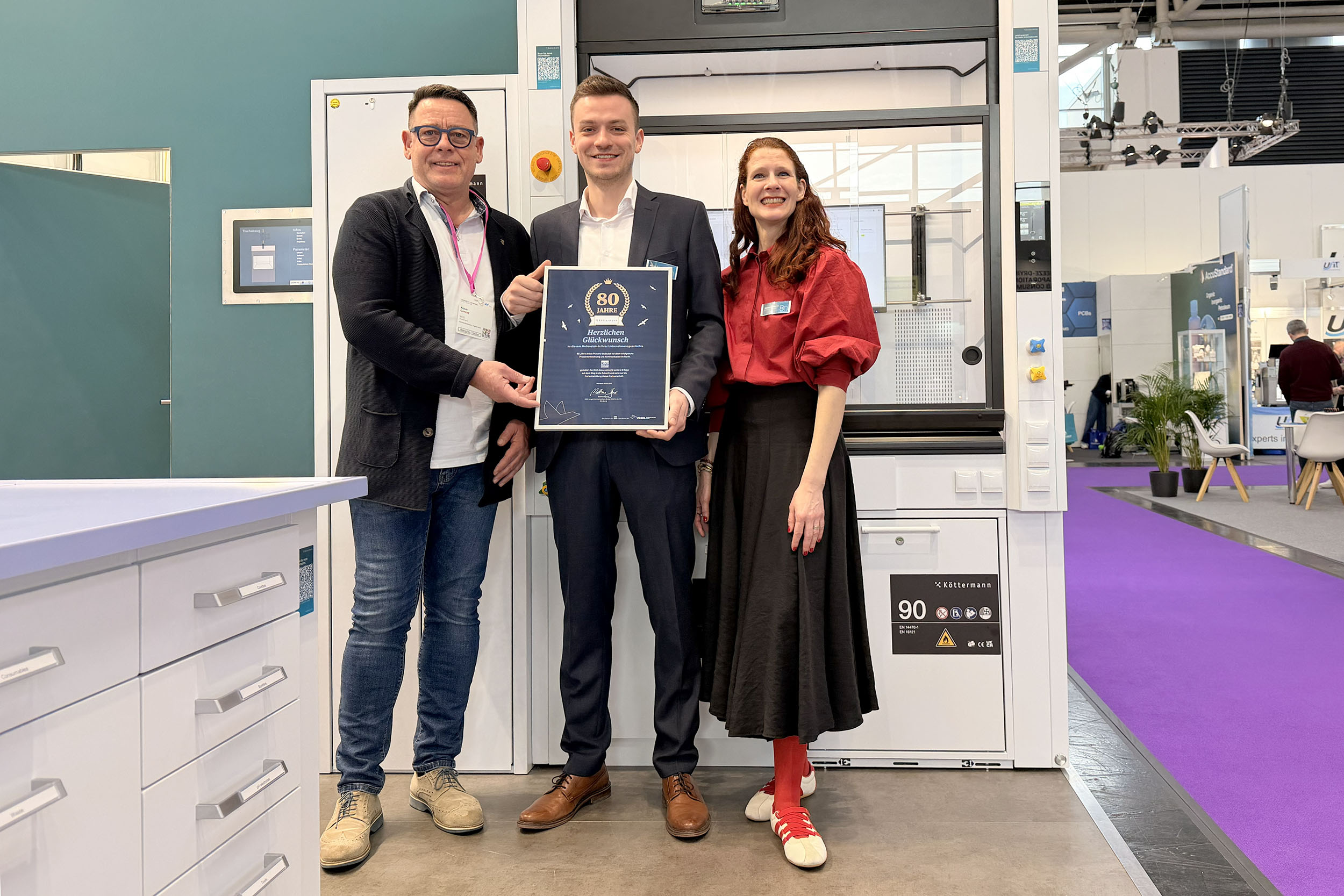
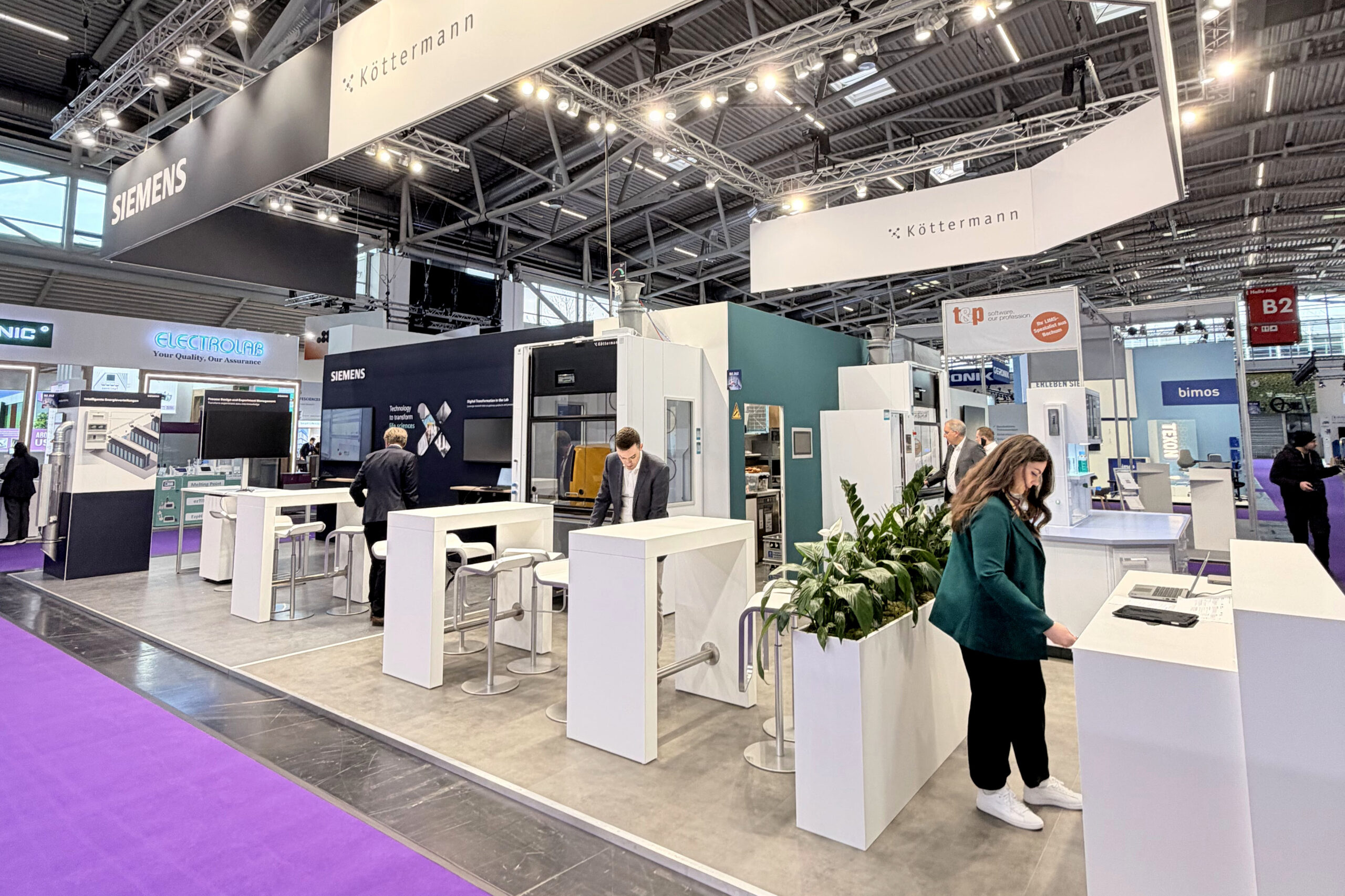
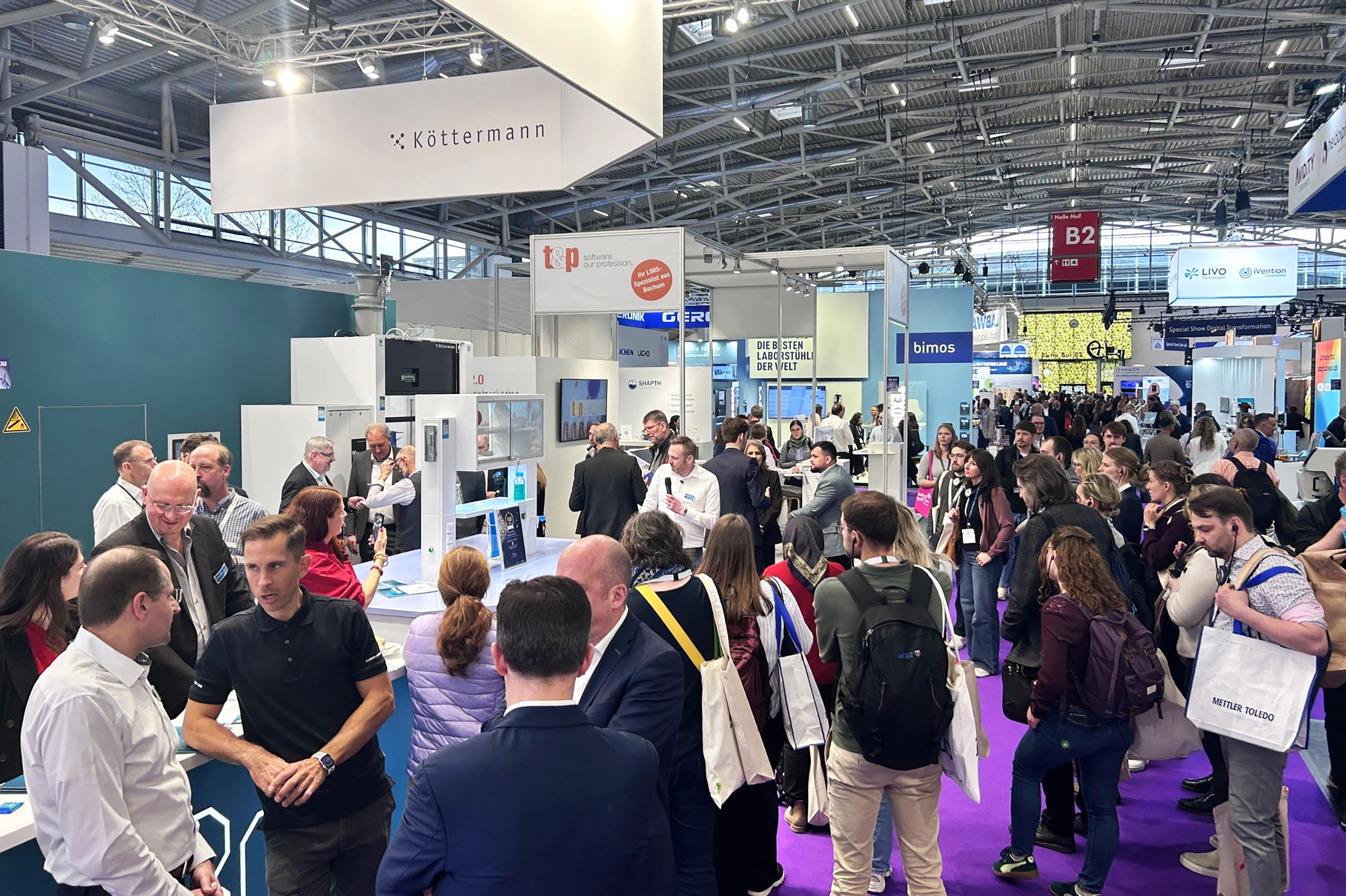
analytica 2026 is now behind us, and we are taking home the message we developed for the event, along with the positive feedback: the laboratory as an isolated workplace is a thing of the past. What we showcased at the trade fair in Munich is a laboratory that is already ready for use today, connected, transparent and efficient.

As a laboratory equipment manufacturer, we deliberately designed our stand to be a living example. Not merely as a showroom for individual products, but as a real-world application scenario in which infrastructure, equipment and data are conceived as an integrated whole.

Infrastructure as a Platform – what this actually means

Laboratory infrastructure is about more than just furniture. Fume cupboards, work surfaces and utility supplies form the foundation. When these elements work in tandem with equipment, software systems and safety technology, they create real added value. That was precisely our approach at analytica.

Three partners, one system

We had three strong partners at our stand who brought this concept to life:

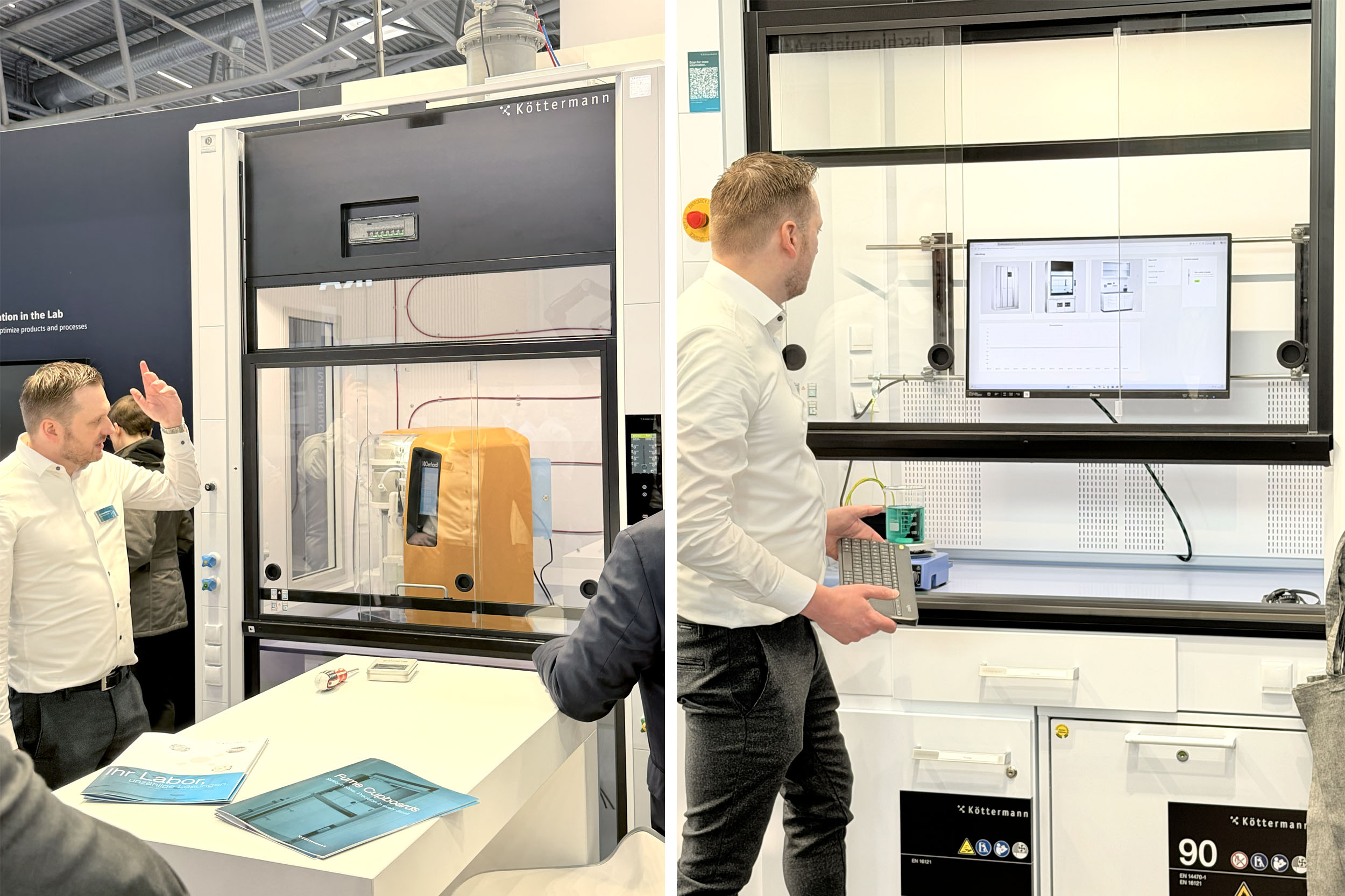
  • Siemens demonstrated how a laboratory’s status can be visualised digitally – from energy data for individual devices and sample tracking in the LIMS to room control via the Smart Room Operator. Siemens also provides an integrated solution for safety: the Sinorix al-deco extinguishing system automatically detects fires in the laboratory fume cupboard and combats them directly at the source – without manual intervention and with minimal damage. The result of the complete package: less loss of information, faster processes, clear documentation – and maximum safety.
  • C. Gerhardt integrated the VAPODEST 500 – an automated distillation system – directly into our laboratory fume cupboard. Connected to the Siemens system, samples were digitally recorded, tracked and analysed. An example from real-world laboratory practice: fewer manual steps, full traceability.
  • Liebherr Professional Appliances complemented the setup with an under-counter laboratory refrigerator, integrated directly into the Köttermann laboratory workstation – monitored via Siemens technology, with precise temperature control and automatic alerts. Cooling, storage and monitoring, without any disruption.
What this means for laboratory planning

Anyone planning or modernising a laboratory today stands to benefit from precisely this approach: when infrastructure, equipment and data systems are coordinated from the outset, the result is not a collection of isolated solutions – but a system that grows, documents and protects.
As a manufacturer of laboratory infrastructure, we see it as our mission to create this platform. To find and integrate the right partners. And to offer solutions that really work in day-to-day laboratory operations.

Fancy finding out more about a connected laboratory?

If you’d like to see what a comprehensive system like this might look like for your specific situation, please feel free to get in touch. We’ll show you what’s possible today.

You can contact us here


    Fume cupboard technology in the spotlight at analytica

    Fume cupboards are essential for safe laboratory work—yet they are also among the biggest energy consumers in a lab. Rising energy prices and ambitious sustainability targets intensify the tension between maximum protection and responsible resource use. What’s needed are solutions that do not compromise occupational safety, but ideally enhance it, while making energy efficiency measurable and transparent.

    This is exactly where modern fume-cupboard technologies come into play.

    Why fume cupboards must be reassessed 

    For decades, fume cupboards were operated according to a clear principle: maximum safety through high and constant extract-air volumes. Increasingly, this approach reaches its limits—because what used to be a robust safety buffer has become a major cost and sustainability factor in daily operation. In many laboratories, ventilation and exhaust air account for around 40–60% of total energy consumption.

    That’s why “safety only” is no longer enough as a benchmark. Today, fume cupboards must meet additional requirements: they should be safe, energy-efficient, and operationally controllable. This shifts their role within the overall laboratory system into sharper focus.


    Reassessment is not a technological gimmick—it’s a strategic necessity. Anyone who continues to view fume cupboards in isolation leaves significant potential untapped in operating costs and CO₂ reduction. What’s needed are solutions that keep safety fully standards-compliant while actively contributing to the optimisation of lab operation.

    The key question is no longer whether energy can be saved, but how safety and efficiency can be combined sustainably—without complicating everyday lab work.

    Efficiency in the lab comes from interaction—not from sacrifice

    Modern fume-cupboard concepts follow a holistic approach. Instead of providing high air volumes across the board, extract air is controlled according to demand. Three factors are decisive:

    • Aerodynamically optimised fume-cupboard designs that maintain containment even at reduced air volumes
    • Intelligent extract-air control systems that adjust volume flow dynamically to the sash position
    • Digital control and monitoring solutions that make consumption transparent and enable adjustments digitally

    This means safety is achieved not by “more air”, but through precise engineering and smart control.

    Luftvolumenstrom des EcoPlus Laborabzugs
    Einsparpotenzial beim EcoPlus Laborabzug

    Trade fair focus: fume-cupboard technology that delivers measurable energy savings

    At the international trade fair analytica in Munich (24–27 March 2026), Köttermann and Siemens will jointly demonstrate how fume cupboards can be understood as part of a connected system. The focus is on practical solutions that deliver impact in ongoing lab operations.

    1

    Safety remains non-negotiable
    Compliance with all relevant standards and protection goals remains the foundation—enhanced by intelligent airflow design that ensures safety even with reduced air demand.

    2

    Energy efficiency becomes predictable
    Variable volume flow systems, automatic sash functions and demand-based control strategies reduce energy consumption noticeably—without additional effort for lab staff.

    3

    Transparency creates new room for action
    Integrated measurement and monitoring make energy use visible. This enables well-founded decisions for sustainable lab strategies—from operational optimisation to long-term planning.

    From a single component to an overall concept

    The value of modern fume-cupboard technology doesn’t arise in isolation, but through interaction with building services, control systems and the usage concept. This is where the joint approach of Köttermann and Siemens comes in: fume-cupboard technology is designed as an integral building block of a future-proof laboratory.

    Invitation to connect

    analytica provides space for professional exchange—about technical solutions, concrete savings potential, and how labs can be planned and operated to meet the requirements of safety, cost-effectiveness and sustainability at the same time.

    Get your free ticket here: